
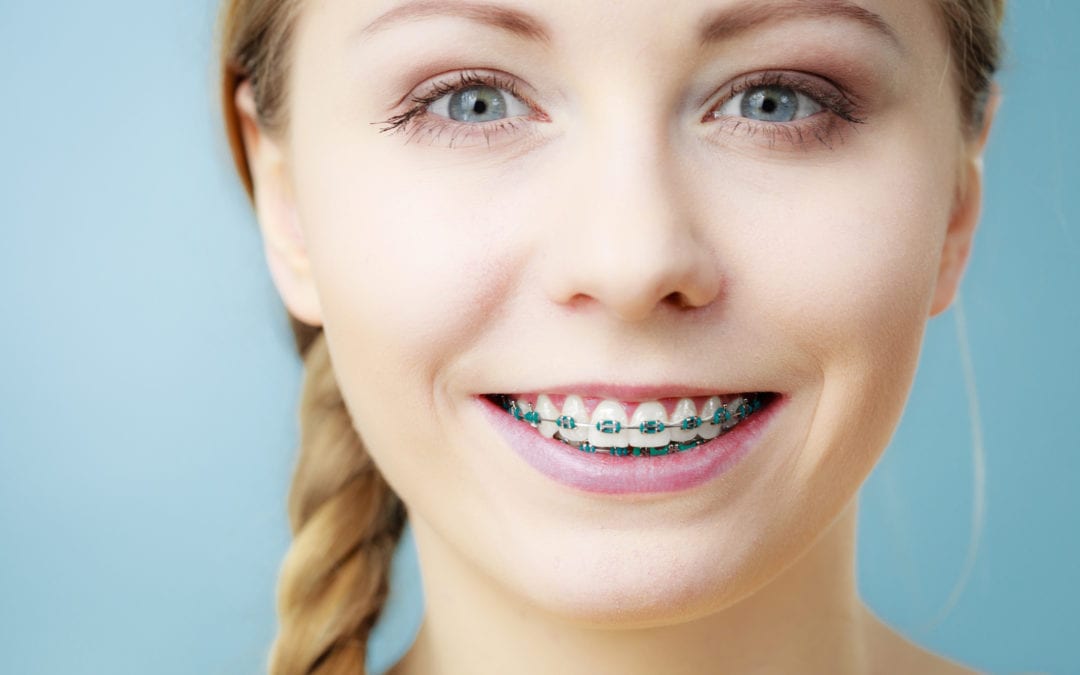
What Are Braces and How Do They Straighten Your Smile?
Braces are orthodontic appliances designed to correct misaligned teeth, crowding, and bite concerns by applying gentle, consistent pressure over time. If you’ve been thinking about braces for yourself or someone in your family, understanding how they work is the first step toward a straighter, healthier smile.
Whether you’re dealing with an overbite, gaps between teeth, or twisted front teeth, braces gradually shift your teeth into their ideal positions. Modern orthodontic treatment goes far beyond the metal brackets you might remember from childhood. Today’s treatment options include traditional metal braces, tooth-colored ceramic braces, and clear aligners like Invisalign that are nearly invisible when worn.
The goal of orthodontic treatment extends beyond creating a beautiful smile. Properly aligned teeth are easier to clean, which reduces your risk of cavities and gum disease. A corrected bite distributes chewing forces evenly, protecting your teeth from premature wear and reducing strain on your jaw joints. According to the American Association of Orthodontists, orthodontic concerns left untreated can worsen over time, potentially leading to more involved dental needs down the road.
Brackets are smaller now. Wires are more flexible. Treatment times have shortened thanks to real advances in orthodontic technology. Clear aligner systems have opened up treatment possibilities for patients who want to straighten their teeth without anyone noticing.
At Green Orthodontics, Dr. Green, a double board-certified orthodontist in both canada and the united states, helps patients of all ages find the right treatment options. No matter which option fits your lifestyle, upgrading your smile is easier and more accessible than you might think.
How Do Braces Work? The Step-by-Step Process
Braces work by bonding brackets to your teeth and connecting them with an archwire that applies gentle, consistent pressure. This pressure gradually moves teeth through the bone into new positions. Treatment typically unfolds over several months, with regular adjustments guiding teeth toward their final alignment. Here’s what each stage looks like from your first visit to your final result.
What Happens During Your First Visit?
Treatment starts with a thorough evaluation. During your first visit, your orthodontist examines your teeth, jaw, and facial structure. Digital X-rays and 3D scans create detailed images that reveal the position of your teeth roots, any impacted teeth, and how your upper and lower jaws fit together. At Green Orthodontics, these diagnostic tools make it possible to identify exactly what needs to be corrected, so nothing gets missed.
How Is Your Customized Treatment Plan Created?
Based on diagnostic records, your care team creates a customized treatment plan designed for your specific needs. This plan outlines which teeth need to move, in what direction, and over what timeline. You’ll discuss your goals, learn about your treatment options, and get answers to all your questions. For clear aligner patients, digital treatment planning software can show you a preview of how your teeth will move at each stage. It’s one of the most exciting parts of the process.
What Happens During Appliance Placement or Aligner Fitting?
If you’re getting braces, brackets are bonded to your teeth and an archwire is threaded through them. The wire applies pressure that guides your teeth into position. For clear aligner treatment, you receive your first sets of custom-made trays along with instructions for wearing them. Most patients adapt within a few days.
Why Are Regular Adjustment Appointments Important?
Throughout treatment, you’ll visit every four to eight weeks for adjustments. These visits matter. During each appointment, your team checks your progress, tightens wires or provides new aligner trays, and makes any necessary modifications to keep treatment on track. The visits are quick but play a big role in achieving your best results. At Green Orthodontics, the team works to make every appointment convenient, comfortable, and cost-effective.
What Happens During the Retention Phase?
Once your teeth reach their final positions, you’ll transition to the retention phase. Retainers hold your teeth in place while the bone and soft tissues stabilize around them. Wearing your retainers as directed is crucial, because without them, teeth can gradually shift back toward their original positions. Think of retainers as the last piece of the puzzle.
Average treatment timelines range from 12 to 24 months depending on the complexity of your case. Some mild cases finish in under a year, while more significant corrections may take longer. Your orthodontist provides a realistic timeline during your consultation.
Top Benefits of Getting Braces for a Healthier Smile
Orthodontic treatment delivers lasting benefits that go well beyond appearance. Straighter teeth are easier to keep clean, a balanced bite protects against jaw strain and uneven wear, and the confidence that comes with a smile you love can affect every part of your daily life. Here’s a closer look at what you gain when you invest in a straighter smile.
How Do Braces Improve Oral Health?
Easier oral hygiene. Crowded teeth create tight spaces where food particles and plaque accumulate. Straightening your teeth makes brushing and flossing more effective, reducing your risk of cavities and gum disease.
A misaligned bite also puts extra stress on your jaw. When your bite doesn’t align properly, your jaw muscles work harder to compensate. This strain can lead to headaches, jaw clicking, and temporomandibular joint (TMJ) discomfort. Correcting your bite distributes forces evenly and often relieves these symptoms.
Protection against uneven tooth wear. A misaligned bite causes certain teeth to absorb more pressure than others, leading to chips, cracks, and worn enamel over time. Orthodontic treatment helps your teeth meet correctly, protecting them from unnecessary damage.
Straight teeth and a proper bite give you a healthier mouth as you age. Patients who complete orthodontic treatment often experience fewer dental concerns and potentially lower dental costs over their lifetime.
How Does a Straighter Smile Boost Confidence and Quality of Life?
A smile is often the first thing people notice about you. Feeling good about your teeth affects how you interact with others, whether you’re meeting new people, interviewing for jobs, or simply smiling in photos. That confidence boost is real, and patients mention it all the time.
Modern treatment options also mean minimal lifestyle disruption. Clear aligners can be removed for eating and special occasions. Ceramic braces blend with your teeth. Even traditional braces are smaller and more comfortable than previous generations, so daily life doesn’t have to change much.
Braces vs. Clear Aligners: Which Option Is Right for You?
Choosing between braces and clear aligners depends on your specific orthodontic needs, lifestyle preferences, and treatment goals. Both approaches effectively straighten teeth, but they work differently and suit different situations.
What Are Traditional Metal Braces?
Metal braces remain the most versatile orthodontic option. They handle involved cases that require correction of severe crowding, significant bite concerns, or teeth that need to be rotated or moved vertically. Because your orthodontist controls every aspect of tooth movement, braces can achieve results that other methods cannot. Today’s metal brackets are smaller and more streamlined than older versions, and colorful elastic bands let younger patients personalize their look.
How Do Ceramic Braces Differ?
Ceramic braces work just like metal braces but use tooth-colored or clear brackets that blend with your enamel. They’re a popular choice for adults and teens who want the reliability of traditional braces with a more subtle appearance. Ceramic brackets are slightly larger than metal ones and require careful attention to avoid staining, but many patients find the aesthetic trade-off worthwhile.
What Are Clear Aligners Like Invisalign?
Invisalign clear aligners straighten teeth using a series of custom-made, removable plastic trays. Each set of aligners makes small adjustments, and you switch to a new set every one to two weeks. Invisalign works well for mild to moderate crowding, spacing concerns, and certain bite conditions. The aligners are nearly invisible, and you can remove them to eat, brush, and floss normally.
Invisalign uses SmartTrack material, which Align Technology developed specifically for orthodontic tooth movement. With over 25 years of clinical data and millions of treated patients, clear aligner technology continues to expand what’s possible without brackets and wires. Green Orthodontics is a top 1% blue diamond Invisalign provider, which reflects the team’s depth of experience with this system.
How Do the Options Compare?
| Feature | Metal Braces | Ceramic Braces | Invisalign |
|---|---|---|---|
| Visibility | Most noticeable | Less visible | Nearly invisible |
| Comfort | Adjustment period needed | Similar to metal | Smooth plastic, no wires |
| Removability | Fixed in place | Fixed in place | Removable for eating/cleaning |
| Treatment Scope | All complexity levels | All complexity levels | Mild to moderate cases; select bite concerns |
| Maintenance | Careful brushing around brackets | Avoid staining foods | Remove trays to clean normally |
The right choice depends on your unique situation. At Green Orthodontics, the team evaluates your teeth and recommends the option that will give you the best results in the most comfortable way.
How Much Do Braces Cost? Key Factors That Affect Pricing
Braces typically cost between $3,000 and $7,000, depending on treatment type, case complexity, duration, and where you live. Understanding what influences cost helps you plan and budget effectively.
Here’s what affects pricing:
Treatment type. Traditional metal braces are generally the most affordable option. Ceramic braces cost slightly more due to the materials used. Clear aligners like Invisalign fall in a similar range to ceramic braces, though involved cases requiring more aligner sets may cost more.
Case complexity. Mild crowding that requires minimal tooth movement takes less time and fewer appointments than severe misalignment or significant bite correction. More involved cases require more orthodontist expertise and longer treatment times, which affects overall cost.
Treatment duration. Longer treatments involve more adjustment appointments and materials. A case that takes 24 months naturally costs more than one that finishes in 12 months.
Where you live. Orthodontic fees vary by region based on local cost of living and market factors. Pricing reflects the regional market while remaining competitive across practices in most areas.
How Can You Make Orthodontic Treatment More Affordable?
Many dental insurance plans include orthodontic benefits that cover a portion of treatment costs. Check with your insurance provider to understand your coverage and any lifetime maximums that apply.
Flexible payment plans spread your investment over monthly installments, making treatment accessible regardless of your budget. Green Orthodontics offers in-house financing with low or no interest options, and a payment calculator can help you estimate what your low monthly payment might look like.
The best way to understand your specific costs is through a complimentary consult. During this visit, your orthodontist evaluates your needs, discusses treatment options, and provides a cost estimate customized to you. You’ll leave knowing exactly what to expect, with no surprises.
Who Is a Good Candidate for Braces?
Children as young as 7, teenagers, and adults of all ages are good candidates for braces, provided they have generally healthy teeth and gums. Whether you’re considering braces for your child, yourself, or a parent, here’s what to know.
When Should Children Get an Early Orthodontic Screening?
The American Association of Orthodontists recommends children have their first early orthodontic screening by age 7. At this age, enough permanent teeth have emerged for an orthodontist to identify developing concerns. Early evaluation doesn’t always mean early treatment. Most children simply benefit from monitoring until the right time to begin.
Some children do benefit from two-phase treatment, where early intervention addresses jaw growth or creates space for permanent teeth, followed by full treatment during adolescence. Your orthodontist can determine if early treatment would benefit your child. Green Orthodontics is a mom approved orthodontist for kids.
Why Are the Teen Years Ideal for Braces?
The teen years remain the most common time for orthodontic treatment. Most permanent teeth have erupted, jaw growth is still occurring, and teeth respond well to orthodontic forces. Teens have multiple treatment options, from traditional braces with fun-colored bands to clear aligners for those who prefer discretion.
Can Adults Get Braces?
Yes. Adults are the fastest-growing orthodontic patient group, and there’s no age limit for treatment. Whether you never had braces as a teen, experienced relapse after previous treatment, or simply decided now is your time, adult treatment delivers excellent results.
Adults often prefer discreet options like ceramic braces or Invisalign. Treatment may take slightly longer than for teens because adult bone is denser, but the results are just as beautiful and lasting.
What Conditions Do Braces Correct?
Orthodontic treatment addresses many concerns:
- Crowding: teeth overlapping or twisted due to insufficient space
- Spacing: gaps between teeth from missing teeth or jaw size discrepancy
- Overbite: upper front teeth extend too far over lower teeth
- Underbite: lower teeth sit in front of upper teeth
- Crossbite: some upper teeth sit inside lower teeth when biting
- Open bite: front teeth don’t meet when back teeth are together
At Green Orthodontics, Dr. Green, a double board-certified orthodontist in both canada and the united states, evaluates your dental health, jaw development, and personal goals to recommend the treatment approach that will work best for you.
Frequently Asked Questions About Braces
How long does orthodontic treatment take?
Most orthodontic treatment takes between 12 and 24 months. Your specific timeline depends on the complexity of your case and how well you follow your orthodontist’s instructions. Mild cases may finish in under a year, while more significant corrections can take longer. A realistic estimate is provided during your initial consultation based on your unique needs.
Do braces hurt?
You may experience mild discomfort for a few days after getting braces and following adjustment appointments. This soreness is normal and typically manageable with over-the-counter relief like ibuprofen or acetaminophen. The inside of your cheeks and lips may feel irritated initially as they adjust to the brackets, but orthodontic wax provides relief. Most patients say any discomfort fades quickly.
Can adults get braces?
Absolutely. Adults of all ages successfully complete orthodontic treatment every day. Options like ceramic braces and Invisalign offer discreet ways to straighten your teeth without drawing attention. Many adults find that the results are well worth the investment, both for their oral health and their confidence.
How do I find the best orthodontist near me?
Look for an orthodontist who is board-certified, which indicates additional training and expertise beyond dental school. Consider the practice’s experience, the technology they use, and whether they offer a complimentary consult so you can meet the team before committing. Reading patient reviews provides insight into others’ experiences. A practice that takes time to answer your questions and makes you feel comfortable is one you can trust with your smile.
What foods should I avoid with braces?
Patients with braces should avoid hard foods like nuts, popcorn, and ice that can break brackets. Sticky foods like caramel, taffy, and gummy candy can pull brackets off and get stuck in wires. Chewy foods like bagels and licorice require caution. Cut hard fruits and vegetables into small pieces rather than biting into them directly. Your orthodontic team provides a full list of foods to avoid and tips for enjoying your favorites safely.
How often will I need appointments during treatment?
Most patients visit every four to eight weeks during active treatment. These appointments are typically quick, often just 15 to 30 minutes, and involve checking progress, making adjustments, and addressing any concerns. Keeping these appointments is important for staying on track with your treatment timeline.
Orthodontics is for everyone. Whether you’re just starting to explore your options or you’re ready to take the next step, a complimentary consult is the best way to get answers specific to your smile.