At Green Orthodontics, we emphasize the importance of early orthodontic screenings. The American Association of Orthodontists recommends that the first orthodontic visit take place at 7 years of age since some children at this age begin to reveal signs of jaw and or tooth imbalances.
Though many children will not need braces or other types of orthodontic treatment, early visits allow for the identification and interception of growth and developmental complications before they become more difficult to treat. Early intervention often allows our team to achieve more effective results than would be possible at a later age when the jaw and face are more permanently developed.
“Two-phase treatment” refers to situations where early interceptive (Phase-I) treatment is initiated to diagnose and correct severe dental or orthopedic problems. This creates more favorable conditions for the jaws and for the eruption of permanent teeth as children grow and mature through childhood into their early teens. A second phase of treatment, if necessary, becomes less complex, shorter in duration, and ultimately more stable long term.
Serious problems are not always obvious to parents and are more easily detected by an orthodontist. Some of the most common problems include:
Your Child’s First Orthodontic Check-Up
Don’t put off your child’s first orthodontic appointment. Early orthodontic care has been proven to reduce the risk of future oral complications, improve the visual aesthetics of a child’s smile, and provide the opportunity for guided jaw growth and development. At Green Orthodontics, we prefer to treat our patients as conservatively as possible. A minor intervention now could prevent or lessen the need for braces or other more extensive treatments in the future.
For more information about early treatment or to schedule your child’s first check-up, contact our office today.
Invisalign Palatal Expander
At Green Orthodontics, we’re committed to offering innovative orthodontic solutions that blend comfort, convenience, and exceptional results. For patients who need palatal expansion, the Invisalign Palatal Expander offers a cutting-edge alternative to traditional expanders, making the process smoother and less invasive. Designed to address crowding, bite alignment, and airway development, this system is perfect for patients seeking a discreet and effective treatment.
How the Invisalign Palatal Expander Works
Customized Digital Planning – Using advanced 3D imaging, we create a precise digital model of your upper jaw. This allows Dr. Green to design a tailored treatment plan that targets specific areas for expansion.
Gentle, Gradual Expansion – Each aligner in the system applies controlled pressure to widen the upper palate. This process creates space for crowded teeth, improves bite alignment, and supports proper airway development.
Comfortable and Removable – Like standard Invisalign aligners, the palatal expander is removable, allowing for easy cleaning and the ability to eat without restrictions.
Benefits of the Invisalign Palatal Expander
Discreet Appearance – The clear design ensures that treatment remains virtually invisible, making it an excellent option for patients seeking a more aesthetic solution.
Enhanced Comfort – Without metal parts, the Invisalign Palatal Expander is comfortable to wear and eliminates the irritation often associated with traditional expanders.
Airway Support – Palatal expansion can improve airflow and help reduce issues like mouth breathing or snoring, contributing to better sleep and overall health.
Improved Oral Health – By creating space in the upper arch, the Invisalign Palatal Expander makes it easier to maintain good oral hygiene and prevents overcrowding-related issues.
Who Can Benefit from the Invisalign Palatal Expander?
This treatment is ideal for patients experiencing:
Narrow upper jaws
Dental crowding
Bite alignment issues, such as crossbite
Airway concerns related to restricted airflow
Dr. Green will assess your unique needs during a consultation to determine if the Invisalign Palatal Expander is the best solution for your orthodontic goals.
At Green Orthodontics, we believe every treatment should be as comfortable and convenient as possible. Our use of cutting-edge technology and commitment to personalized care ensures that you receive the best treatment for your needs. With the Invisalign Palatal Expander, you’ll experience a modern, patient-focused approach to creating a healthier, more confident smile.
Custom 3D Laser Sintered Expansion
Occasionally, some patients require palatal expanders or other devices to create space between their teeth before they can have braces. These devices utilize a metal orthodontic band that’s placed around the back molars to keep the device in place. Traditionally, this would be uncomfortable for patients since they would have to have these placed and fitted during a separate appointment to ensure they were accurate to their teeth.
Here at Green Orthodontics, we want to make our patients as comfortable as possible, which is why we make a point to adopt the latest technological advancements. That’s why we use laser-sintered bands in Decatur, GA. These allow metal bands to be placed easily and efficiently on the back molars in just one appointment.
What Are Laser-Sintered Bands?
Laser-sintered bands are 3D bands that are printed using a 3D scan of your mouth. The bands are created with laser sintering which uses the 3D scan taken from the iTero scanner and creates the shape and fit of the metal bands based on your specific teeth. These are then 3D printed using metal. So, whereas before, the bands were shaped while already on the teeth, these are created using an exact image of your teeth to make them more precise and comfortable.
Benefits of Laser Sintered Expansion
Laser sintered expansion has multiple benefits for patients, including:
Faster application – Since the bands are printed with your exact tooth shape in mind, the band can be applied in minutes.
More precise fit – The iTero scanner takes detailed images of your teeth and creates a 3D image of them, allowing this technology to create a 3D band fitted to your specific tooth.
Less time spent in appointments – Before, it would take one entire appointment to fit these metal bands to your tooth, but now they are printed beforehand and attached in minutes.
More comfortable for patients – A more precise fit means a more comfortable fit for patients since it molds to their teeth better.
Better durability – The metal that the 3D bands are printed with is incredibly strong and durable.
This advanced technology is a huge step toward creating a more comfortable and enjoyable patient experience. Plus, both the patient and Dr. Green can spend less time on these appointments, making them far more efficient. To learn more about laser sintered expansion in Decatur, GA, feel free to contact our office.
Surgical Orthodontics
Surgical orthodontics addresses issues with jaw alignment. When it is out of alignment, it can affect the bite, as well as the function of the mouth. Some misaligned jaws may be problematic as they can cause abnormal wear on the teeth and other secondary symptoms, such as headaches. Also known as orthognathic surgery, surgical alignment surgery is meant to address irregularities that impair the normal function of the jaws. By undergoing corrective jaw surgery, patients can improve their bite, speech, and appearance – not to mention alleviate other side effects. You may be a candidate if you have a malocclusion (bad bite) that is caused by misaligned jaws.
What Should I Expect During Surgery?
You’ll be evaluated by Dr. Green to determine if oral surgery is right for you. In some cases, a bad bite can be treated with orthodontics alone. In others, a combination of orthodontics and jaw surgery, or jaw surgery alone is used to correct alignment issues. If you require orthodontic treatment, treatment will occur prior to jaw surgery.
X-rays will be taken of your teeth in a pre-surgical consultation. On the day of your operation, you’ll be placed under general anesthesia. An incision will be made on the inside of your mouth, through which your surgeon will reposition your jaws. Some jaw surgeries involve bone shaping, which may include shaving some bone away or grafting new bone into the jaw. A combination of plates, screws, or wires may be used to hold the jaw in place before your incision is closed.
Will I Need To Follow Any Specific Instructions Following Surgery?
Yes. The initial healing phase is usually a few weeks long. During this time, you’ll be placed on a modified diet and instructed to avoid certain activities. It is important to take all medications as prescribed and to keep the incision site clean and free of debris. Your jaw may be swollen and sore for several days after surgery. Be sure to contact your doctor if you experience fever or any discomfort that worsens with time. Keep in mind that your jaw will continue to heal over the course of several months – a process that can take up to one year to complete.
TMJ/TMD Therapy
TMJ: Occlusal Splint/Night Guard Therapy
For patients with disorders of the temporomandibular joint (TMJ), splint (night guard) therapy can often deliver much-needed relief. A properly adjusted occlusal splint does more than just protect the teeth. By covering up the areas of the top teeth that normally guide the bottom teeth and jaw into a non-ideal bite, the jaw is able to relax into a more comfortable and stable position. This in turn prevents clenching and grinding and often relieves jaw and facial tension.
Not only is occlusal therapy therapeutic, but it is also diagnostic as well. Dr. Green may prescribe splint therapy as a prerequisite for patients seeking orthodontic treatment who have signs of TMJ disorder. By wearing an occlusal splint as directed, a patient’s natural “true” bite may be unmasked. This serves as a more appropriate starting point for orthodontic treatment and ultimately results in a more stable result.
Why Choose Green Orthodontics For TMJ Therapy?
The temporomandibular joint both rotates and slides and is therefore the most complicated joint in the body. Splint therapy is technique-sensitive and requires the skill of a highly trained oral health professional who can accurately assess the complications and treatment indications within the temporomandibular joints and the surrounding muscles. As part of his residency training at the University of Detroit Mercy, Dr. Green was able to learn from world-renowned TMJ specialists and found treating patients with TMJ dysfunction to be incredibly rewarding. Dr. Green continues to provide relief to patients in the Decatur area and beyond with jaw pain, facial pain, and TMJ dysfunction. For more information about TMJ splint and night guard therapy, contact our office today.
dental braces, rubber band, tooth, oral hygiene, orthodontics, metal, elastics, clear aligners, mouth, ceramic, patient, tooth decay, toothpaste, accessibility, hygiene, teal, navy blue, silver, ligature, wire, gums, stain, dental floss, malocclusion, bracket, retainer, toothbrush, jaw, pierre fauchard, adhesive, wax, lingual braces, mouthguard, steel, irritation, stainless steel, zia chishti, disease, brush, pain, chewing gum, fluoride, cheek, arch, greenlake orthodontics, patient portal, american association of orthodontists, confidence, cosmetic dentistry, orthodontist, braces, national dental, dentofacial orthopedics, orthodontic treatment, orthodontic, dental, dr green orthodontist, dr green ortho, green valley orthodontics, gvr dental and orthodontics, green dental & orthodontics, green ortho, green orthodontics
Frequently Asked Questions
What does braces look like when you first get them?
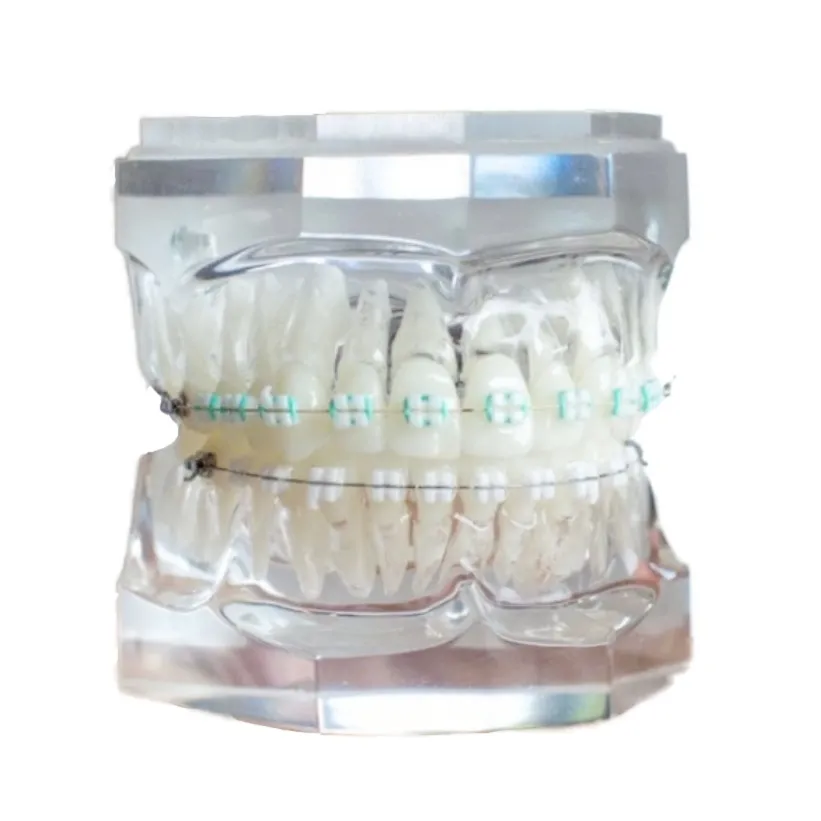
When you first get braces, they may feel odd and you might experience slight discomfort. The brackets are typically small and square-shaped, attached to each tooth with a wire running through them. Rubber bands or metal bands are used to secure the wire onto the brackets.
What did the first pair of braces look like?
The first pair of braces, dating back to the early 19th century, consisted of a flat metal strip secured to the teeth with thread. These early braces lacked the sophistication of modern orthodontic appliances but laid the foundation for the braces we use today.
Are green braces good?
Green braces are a popular choice for those looking for a unique and fun orthodontic option. They function the same as traditional braces and can make a statement while straightening teeth. It's essential to consult with an orthodontist to ensure green braces are a suitable choice for your treatment plan.
Who invented the first braces?
The first braces were invented by Pierre Fauchard, known as the "Father of Modern Dentistry," in the 18th century. While Fauchard's braces were quite different from modern versions, his innovative ideas laid the foundation for orthodontic treatment today.
Do green braces look good?
Green braces can be a unique and stylish choice that looks great on many patients. The color green can stand out and complement a variety of skin tones and outfits. However, personal preference plays a big role, so it's essential to choose a color that makes you feel confident and comfortable during treatment.
Is green braces good?
Green braces are an excellent choice for orthodontic treatment. At Green Orthodontics, we offer various orthodontic options, including green braces, to suit patients' preferences. Green braces provide the same benefits as traditional braces while adding a fun and unique touch to your smile. Contact us today to learn more about green braces and how they can help you achieve a straighter and healthier smile.
Are braces orthodontic treatment?
Yes, braces are a common orthodontic treatment used to correct alignment issues in teeth and jaws. They are effective in straightening teeth, improving bites, and enhancing overall oral health.
What were the first braces made of?
The first braces were made of materials like gold, silver, and even catgut. Over time, braces evolved to include materials like stainless steel, titanium, and ceramic for improved durability and aesthetics. The advancements have made braces more comfortable and effective in orthodontic treatment.
When were the first braces invented?
The first braces were invented in 1819 by French dentist Christophe-Francois Delabarre. His design laid the foundation for modern orthodontics and the various types of braces available today.
What did the first ever braces look like?
The first braces were made of 18-karat gold bands wrapped around each tooth with threads. The bands were connected with flat metal strips and the teeth were connected with a piece of wire allowing for adjustment. The braces were quite bulky and uncomfortable compared to modern braces.
Are green braces a good color?
Green braces can be a great choice for someone who wants a unique and bold look. They can complement various skin tones and are less likely to stain. However, personal preference and style should always be taken into consideration when choosing the color of your braces.
Do green braces stain?
Green braces do not stain more than other colored braces; however, maintaining good oral hygiene is crucial to prevent discoloration. Regular brushing, flossing, and avoiding foods that stain can help keep green braces looking clean and vibrant throughout treatment.
Does green braces look good?
Green braces can look good, especially when matched well with personal style. Green orthodontic bands can add a unique touch to your smile. They can be a fun and vibrant choice for those who want to express themselves through their orthodontic treatment. Consider discussing color options with your orthodontist to find the best match for you.
Does green braces stain?
Green braces do not stain as long as proper oral hygiene is maintained. Brushing regularly, avoiding foods that may cause discoloration, and attending regular orthodontic appointments are key in preventing staining. In addition, using orthodontic wax can help protect the braces from staining agents.
What did the first set of braces look like?
The first set of braces was made from metal, consisting of brackets glued to the teeth and wires connecting them. These traditional braces required regular adjustments to shift teeth gradually into alignment and were noticeable when smiling or talking.
What do braces look like when you first get them?
When you first get braces, they will look like small metal brackets attached to each tooth, connected by a wire. O-rings or ligatures may also be present to secure the wire to the brackets. Over time, the braces will align your teeth into the desired position.
How do braces impact oral health?
Braces play a crucial role in oral health by correcting misalignments that can lead to issues like gum disease and tooth decay. They improve bite function and enhance overall dental health, making oral hygiene easier and reducing the risk of long-term dental problems.
What colors complement green braces best?
When it comes to choosing colors that complement green braces, consider these options for a cohesive look:
Yellow
Blue
White
Purple
Silver
What innovations exist in modern orthodontics?
Innovations in modern orthodontics include 3D laser-sintered expansion for precise fits, two-phase treatments for early intervention, and TMJ therapy using occlusal splints for joint disorders. These advancements provide quicker, more accurate treatments, improving patient comfort and outcomes.
How often should braces be adjusted?
Braces should typically be adjusted every 4 to 6 weeks, depending on the treatment plan. Regular adjustments ensure that the braces are applying consistent pressure to shift teeth efficiently and effectively into the desired position. Your orthodontist will determine the specific schedule based on your individual needs.
What materials are used in braces today?
Braces today use materials like stainless steel, ceramic, and clear aligners. Stainless steel braces are the most common, while ceramic braces are less noticeable. Clear aligners, such as Invisalign, are transparent and removable for convenience. This variety allows for personalized treatment options.
Can braces wires be colored green?
Braces wires can be colored green with the use of colored elastics. Patients can choose from a variety of colors at each adjustment appointment to customize their braces. This option allows for personalization and creativity during orthodontic treatment.
How to maintain hygiene with braces?
To maintain hygiene with braces:
1. Brush teeth after every meal.
2. Use interdental brushes or floss threaders to clean between brackets.
3. Rinse with mouthwash to reach difficult areas.
4. Avoid sticky or hard foods to prevent damage.
5. Attend regular dental cleanings and check-ups.
What is the lifespan of braces?
The lifespan of braces typically ranges from 18 to 36 months. However, individual treatment durations may vary based on the severity of misalignment and patient compliance with care instructions. Regular adjustments are crucial to achieving optimal results within the estimated timeframe.
Are there alternatives to green bands?
Yes, there are alternatives to green bands such as laser sintered bands, aligners, and ceramic braces. Laser sintered bands offer a more precise and comfortable fit, while aligners provide a discreet option for orthodontic treatment. Ceramic braces are another aesthetic alternative to traditional metal bands.
How to choose the right braces color?
When choosing the right braces color, consider these tips:
1. Select colors that complement your skin tone and eye color.
2. Coordinate with your favorite clothing colors or go for neutral options like silver or clear.
3. Choose your favorite color or opt for seasonal choices like red and green for the holidays.
What advancements have been made in braces technology?
Recent advancements in braces technology include 3D laser-sintered bands for more precise and comfortable fitting, reducing appointment times and providing a faster application process. This technology, like laser-sintered expansion, offers benefits such as faster application, precise fit, and reduced time spent in appointments, making orthodontic treatment more efficient and effective.
Are self-ligating braces more effective?
Self-ligating braces are a modern option for orthodontic treatment. They can provide advantages such as easier maintenance and potentially faster treatment times. While traditional braces and self-ligating braces both work effectively, research indicates self-ligating braces may offer slight benefits in certain cases. It is important to consult with your orthodontist to determine the best option for your specific needs.
Can braces colors signify personal style?
Braces colors can signify personal style by allowing individuals to express themselves creatively. Choosing different colors or patterns for braces bands can showcase personality and preferences, making the orthodontic experience more fun and personalized. It's a way to add flair and uniqueness to traditional braces treatment.
How do braces influence tooth movement?
Braces apply consistent pressure to teeth, causing the bone to change shape over time. This process allows teeth to move into the desired positions gradually. The brackets and wires guide the teeth's movement, resulting in a straighter smile. Regular adjustments help fine-tune the alignment throughout treatment.
what did the first braces look like, braces two colors, go orthodontics, green orthodontics, braces with green bands, clear braces greenfield, teeth braces new technology, orthodontic joints, permanent metal bands for braces, braces stability of results, lightforce braces colors, indications for orthodontic treatment include, expanding braces, early intervention braces, green ortho, expanded braces, laser braces, braces 3d, tmj 999, green orthodontics photos, dr sinter, early braces, green braces on teeth, early orthodontics, palate expander alternatives, orthodontic services, invisalign greenfield, braces greenfield, clear braces earley, targets of some orthodontic treatments, orthodontics greenfield, comprehensive orthodontic treatment, early orthodontic treatment, orthodontist near me, interceptive orthodontics lawrenceville, lawrenceville interceptive orthodontics, interceptive orthodontics near me, removable 3d expanders near me, early orthodontic care, early orthodontic treatment green, palatel, tmj treatment decatur, greenwich braces early treatment, green orthodontics decatur ga, clear aligners decatur, early interceptive orthodontics near me, adult orthodontic treatment green
dental braces, rubber band, tooth, oral hygiene, orthodontics, metal, elastics, clear aligners, mouth, ceramic, patient, tooth decay, toothpaste, accessibility, hygiene, teal, navy blue, silver, ligature, wire, gums, stain, dental floss, malocclusion, bracket, retainer, toothbrush, jaw, pierre fauchard, adhesive, wax, lingual braces, mouthguard, steel, irritation, stainless steel, zia chishti, disease, brush, pain, chewing gum, fluoride, cheek, arch, greenlake orthodontics, patient portal, american association of orthodontists, confidence, cosmetic dentistry, orthodontist, braces, national dental, dentofacial orthopedics, orthodontic treatment, orthodontic, dental, dr green orthodontist, dr green ortho, green valley orthodontics, gvr dental and orthodontics, green dental & orthodontics, green ortho, green orthodontics
Frequently Asked Questions
What does braces look like when you first get them?
When you first get braces, they may feel odd and you might experience slight discomfort. The brackets are typically small and square-shaped, attached to each tooth with a wire running through them. Rubber bands or metal bands are used to secure the wire onto the brackets.
What did the first pair of braces look like?
The first pair of braces, dating back to the early 19th century, consisted of a flat metal strip secured to the teeth with thread. These early braces lacked the sophistication of modern orthodontic appliances but laid the foundation for the braces we use today.
Are green braces good?
Green braces are a popular choice for those looking for a unique and fun orthodontic option. They function the same as traditional braces and can make a statement while straightening teeth. It's essential to consult with an orthodontist to ensure green braces are a suitable choice for your treatment plan.
Who invented the first braces?
The first braces were invented by Pierre Fauchard, known as the "Father of Modern Dentistry," in the 18th century. While Fauchard's braces were quite different from modern versions, his innovative ideas laid the foundation for orthodontic treatment today.
Do green braces look good?
Green braces can be a unique and stylish choice that looks great on many patients. The color green can stand out and complement a variety of skin tones and outfits. However, personal preference plays a big role, so it's essential to choose a color that makes you feel confident and comfortable during treatment.
Is green braces good?
Green braces are an excellent choice for orthodontic treatment. At Green Orthodontics, we offer various orthodontic options, including green braces, to suit patients' preferences. Green braces provide the same benefits as traditional braces while adding a fun and unique touch to your smile. Contact us today to learn more about green braces and how they can help you achieve a straighter and healthier smile.
Are braces orthodontic treatment?
Yes, braces are a common orthodontic treatment used to correct alignment issues in teeth and jaws. They are effective in straightening teeth, improving bites, and enhancing overall oral health.
What were the first braces made of?
The first braces were made of materials like gold, silver, and even catgut. Over time, braces evolved to include materials like stainless steel, titanium, and ceramic for improved durability and aesthetics. The advancements have made braces more comfortable and effective in orthodontic treatment.
When were the first braces invented?
The first braces were invented in 1819 by French dentist Christophe-Francois Delabarre. His design laid the foundation for modern orthodontics and the various types of braces available today.
What did the first ever braces look like?
The first braces were made of 18-karat gold bands wrapped around each tooth with threads. The bands were connected with flat metal strips and the teeth were connected with a piece of wire allowing for adjustment. The braces were quite bulky and uncomfortable compared to modern braces.
Are green braces a good color?
Green braces can be a great choice for someone who wants a unique and bold look. They can complement various skin tones and are less likely to stain. However, personal preference and style should always be taken into consideration when choosing the color of your braces.
Do green braces stain?
Green braces do not stain more than other colored braces; however, maintaining good oral hygiene is crucial to prevent discoloration. Regular brushing, flossing, and avoiding foods that stain can help keep green braces looking clean and vibrant throughout treatment.
Does green braces look good?
Green braces can look good, especially when matched well with personal style. Green orthodontic bands can add a unique touch to your smile. They can be a fun and vibrant choice for those who want to express themselves through their orthodontic treatment. Consider discussing color options with your orthodontist to find the best match for you.
Does green braces stain?
Green braces do not stain as long as proper oral hygiene is maintained. Brushing regularly, avoiding foods that may cause discoloration, and attending regular orthodontic appointments are key in preventing staining. In addition, using orthodontic wax can help protect the braces from staining agents.
What did the first set of braces look like?
The first set of braces was made from metal, consisting of brackets glued to the teeth and wires connecting them. These traditional braces required regular adjustments to shift teeth gradually into alignment and were noticeable when smiling or talking.
What do braces look like when you first get them?
When you first get braces, they will look like small metal brackets attached to each tooth, connected by a wire. O-rings or ligatures may also be present to secure the wire to the brackets. Over time, the braces will align your teeth into the desired position.
How do braces impact oral health?
Braces play a crucial role in oral health by correcting misalignments that can lead to issues like gum disease and tooth decay. They improve bite function and enhance overall dental health, making oral hygiene easier and reducing the risk of long-term dental problems.
What colors complement green braces best?
When it comes to choosing colors that complement green braces, consider these options for a cohesive look:
Yellow
Blue
White
Purple
Silver
What innovations exist in modern orthodontics?
Innovations in modern orthodontics include 3D laser-sintered expansion for precise fits, two-phase treatments for early intervention, and TMJ therapy using occlusal splints for joint disorders. These advancements provide quicker, more accurate treatments, improving patient comfort and outcomes.
How often should braces be adjusted?
Braces should typically be adjusted every 4 to 6 weeks, depending on the treatment plan. Regular adjustments ensure that the braces are applying consistent pressure to shift teeth efficiently and effectively into the desired position. Your orthodontist will determine the specific schedule based on your individual needs.
What materials are used in braces today?
Braces today use materials like stainless steel, ceramic, and clear aligners. Stainless steel braces are the most common, while ceramic braces are less noticeable. Clear aligners, such as Invisalign, are transparent and removable for convenience. This variety allows for personalized treatment options.
Can braces wires be colored green?
Braces wires can be colored green with the use of colored elastics. Patients can choose from a variety of colors at each adjustment appointment to customize their braces. This option allows for personalization and creativity during orthodontic treatment.
How to maintain hygiene with braces?
To maintain hygiene with braces:
1. Brush teeth after every meal.
2. Use interdental brushes or floss threaders to clean between brackets.
3. Rinse with mouthwash to reach difficult areas.
4. Avoid sticky or hard foods to prevent damage.
5. Attend regular dental cleanings and check-ups.
What is the lifespan of braces?
The lifespan of braces typically ranges from 18 to 36 months. However, individual treatment durations may vary based on the severity of misalignment and patient compliance with care instructions. Regular adjustments are crucial to achieving optimal results within the estimated timeframe.
Are there alternatives to green bands?
Yes, there are alternatives to green bands such as laser sintered bands, aligners, and ceramic braces. Laser sintered bands offer a more precise and comfortable fit, while aligners provide a discreet option for orthodontic treatment. Ceramic braces are another aesthetic alternative to traditional metal bands.
How to choose the right braces color?
When choosing the right braces color, consider these tips:
1. Select colors that complement your skin tone and eye color.
2. Coordinate with your favorite clothing colors or go for neutral options like silver or clear.
3. Choose your favorite color or opt for seasonal choices like red and green for the holidays.
What advancements have been made in braces technology?
Recent advancements in braces technology include 3D laser-sintered bands for more precise and comfortable fitting, reducing appointment times and providing a faster application process. This technology, like laser-sintered expansion, offers benefits such as faster application, precise fit, and reduced time spent in appointments, making orthodontic treatment more efficient and effective.
Are self-ligating braces more effective?
Self-ligating braces are a modern option for orthodontic treatment. They can provide advantages such as easier maintenance and potentially faster treatment times. While traditional braces and self-ligating braces both work effectively, research indicates self-ligating braces may offer slight benefits in certain cases. It is important to consult with your orthodontist to determine the best option for your specific needs.
Can braces colors signify personal style?
Braces colors can signify personal style by allowing individuals to express themselves creatively. Choosing different colors or patterns for braces bands can showcase personality and preferences, making the orthodontic experience more fun and personalized. It's a way to add flair and uniqueness to traditional braces treatment.
How do braces influence tooth movement?
Braces apply consistent pressure to teeth, causing the bone to change shape over time. This process allows teeth to move into the desired positions gradually. The brackets and wires guide the teeth's movement, resulting in a straighter smile. Regular adjustments help fine-tune the alignment throughout treatment.
what did the first braces look like, braces two colors, go orthodontics, green orthodontics, braces with green bands, clear braces greenfield, teeth braces new technology, orthodontic joints, permanent metal bands for braces, braces stability of results, lightforce braces colors, indications for orthodontic treatment include, expanding braces, early intervention braces, green ortho, expanded braces, laser braces, braces 3d, tmj 999, green orthodontics photos, dr sinter, early braces, green braces on teeth, early orthodontics, palate expander alternatives, orthodontic services, invisalign greenfield, braces greenfield, clear braces earley, targets of some orthodontic treatments, orthodontics greenfield, comprehensive orthodontic treatment, early orthodontic treatment, orthodontist near me, interceptive orthodontics lawrenceville, lawrenceville interceptive orthodontics, interceptive orthodontics near me, removable 3d expanders near me, early orthodontic care, early orthodontic treatment green, palatel, tmj treatment decatur, greenwich braces early treatment, green orthodontics decatur ga, clear aligners decatur, early interceptive orthodontics near me, adult orthodontic treatment green